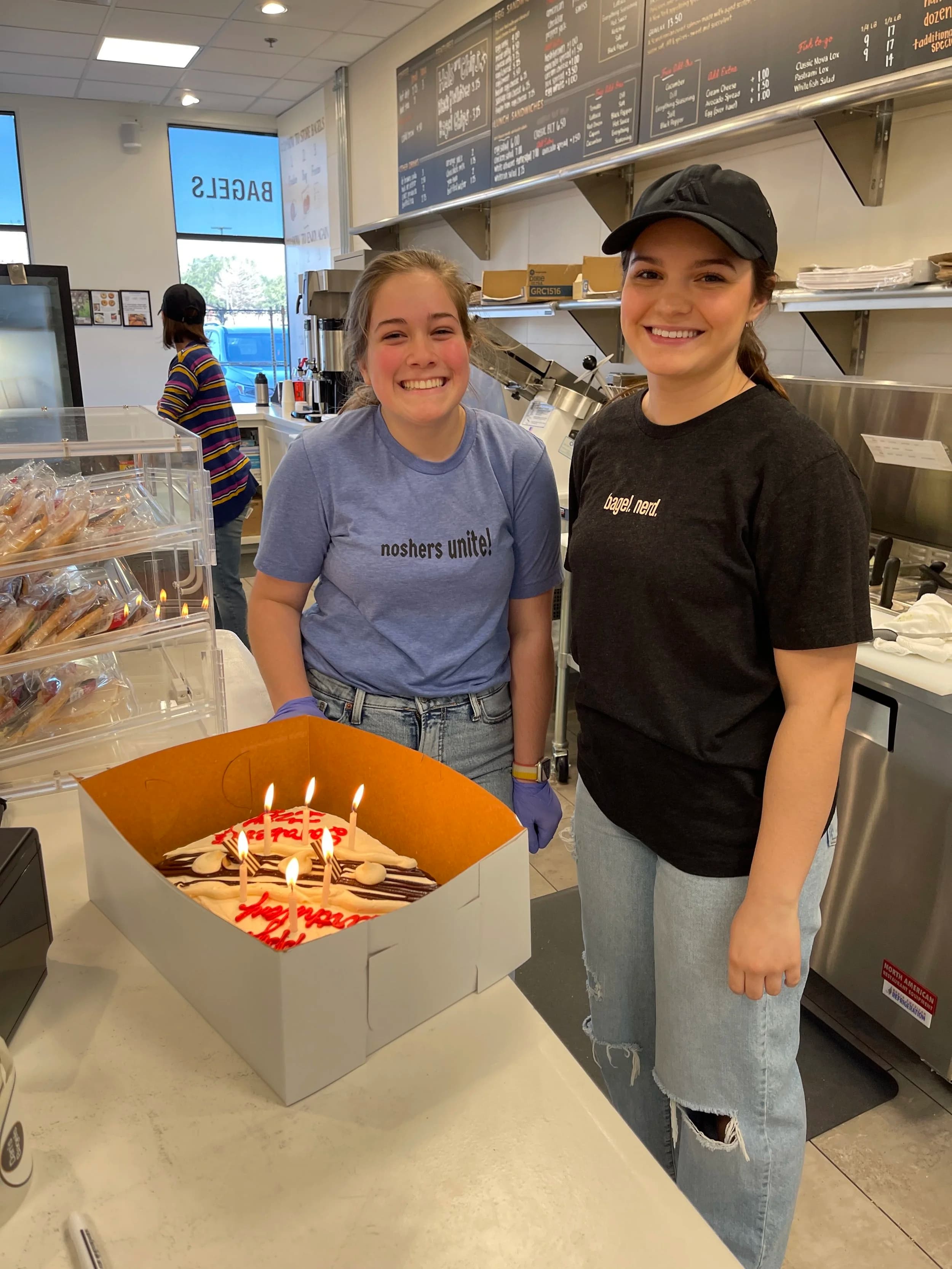
When prospective franchise partners visit our shops, they notice something unusual right away: we close early. Our doors shut between 1 and 2 PM, depending on the location. By 2:30, the kitchen is clean. By 3, the team is heading home. While other restaurants are gearing up for the dinner rush, our franchisees are picking up their kids from school.
This isn’t an accident. It’s a deliberate business model, and it’s one of the most compelling aspects of the Dan’s Bagels franchise. Let me walk you through the business case, because the numbers are as attractive as the lifestyle.
The Typical Restaurant Grind
Let’s start with what most restaurant ownership looks like. A typical full-service restaurant or even a fast-casual concept operates from roughly 11 AM to 10 PM. Some open earlier for breakfast or lunch. Many stay open later on weekends. The owner or general manager is typically on-site for 10–12 hours a day, often more during the first few years.
The dinner rush — the supposed moneymaker — means working through the evening, managing a larger staff, dealing with alcohol service in some cases, and navigating the unique challenges of nighttime operations: tired staff, bar crowds, parking lot issues, late-night delivery logistics. Weekends are the busiest and most stressful shifts. Most restaurant owners work Fridays and Saturdays as a given, often Sundays too.
The toll on personal life is well-documented. Restaurant industry burnout is epidemic. Divorce rates among restaurant owners exceed the national average. The dream of “owning your own business” often becomes a reality of owning a business that owns you.
The Dan’s Bagels Alternative
Our model is fundamentally different. Dan’s Bagels operates from roughly 7 AM to 1 PM for customer-facing hours. The baking team arrives earlier — typically 4 or 5 AM — to prepare the day’s product. But by early afternoon, the operation is complete. Product is sold. Kitchen is clean. Team goes home.
Here’s what that means for the franchisee:
- Your evenings belong to you. Dinner with your family is not a scheduling negotiation — it’s the default.
- Your weekends are manageable. Yes, Saturday and Sunday mornings are busy — they’re actually our strongest days. But you’re done by early afternoon, leaving the rest of the weekend for everything else.
- Your staff works one shift. No split shifts, no evening handoffs, no managing a second crew.
- Your personal burnout risk drops dramatically. The intensity of morning hours is high — the breakfast rush is real — but the defined endpoint changes everything. You know when your day ends. You can plan around it.
The Labor Cost Advantage
One of the largest costs in any food service operation is labor. A typical restaurant running two shifts — lunch and dinner — needs to staff both, often with different teams. That means twice the scheduling complexity, twice the training, twice the payroll overhead, and the constant challenge of finding reliable evening and weekend workers in a tight labor market.
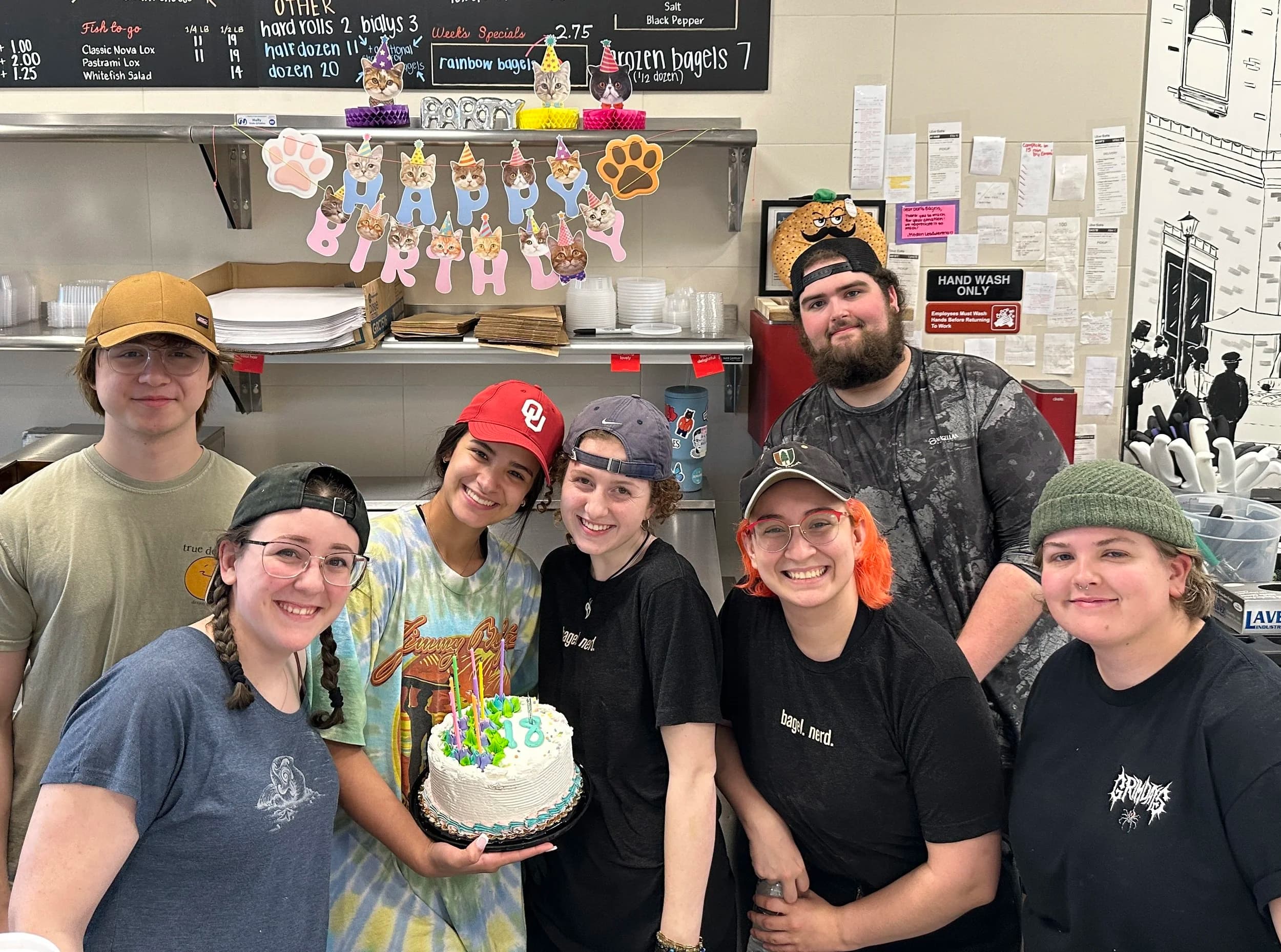
Our single-shift model simplifies everything. One team, one shift, one set of schedules. We’ve found that morning shifts are actually easier to staff: many workers prefer early hours, particularly parents who want to be home for school pickup, students who have afternoon classes, and experienced food service professionals who are done with late nights. Our retention rates are significantly higher than industry averages, which we attribute largely to the schedule. People stay at jobs that let them have a life.
The labor cost savings are substantial. Our franchisees typically run labor costs 5–8 percentage points below industry average for comparable-revenue QSR concepts. That’s not a small number — on a million-dollar annual revenue, it’s $50,000–$80,000 in savings that drops straight to the bottom line.
The Sellout Model: Near-Zero Food Waste
Traditional restaurants over-produce and throw away what doesn’t sell. The industry average for food waste is staggering — estimates suggest that restaurants waste 4–10% of the food they purchase, costing the average establishment $25,000–$75,000 annually in lost product.
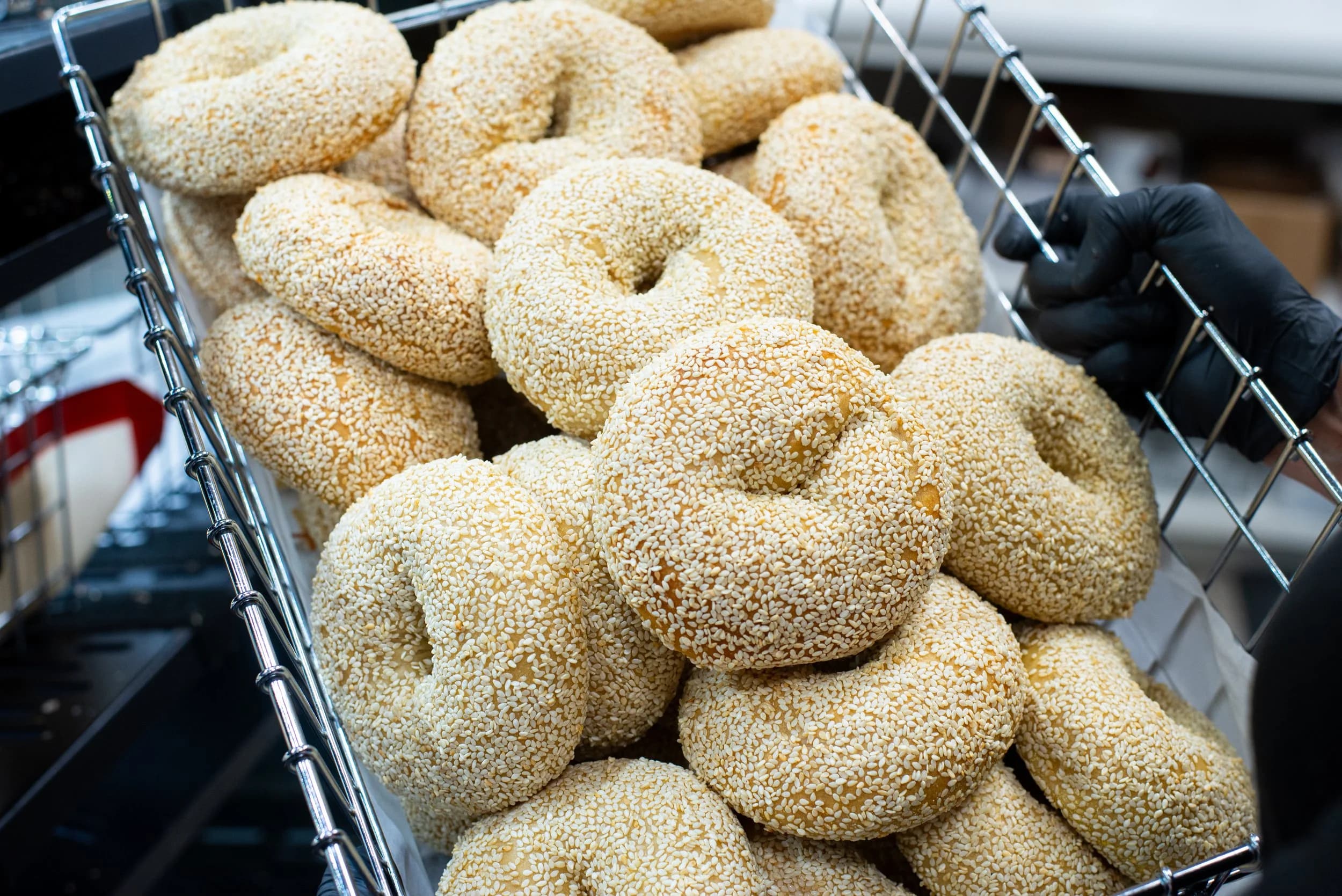
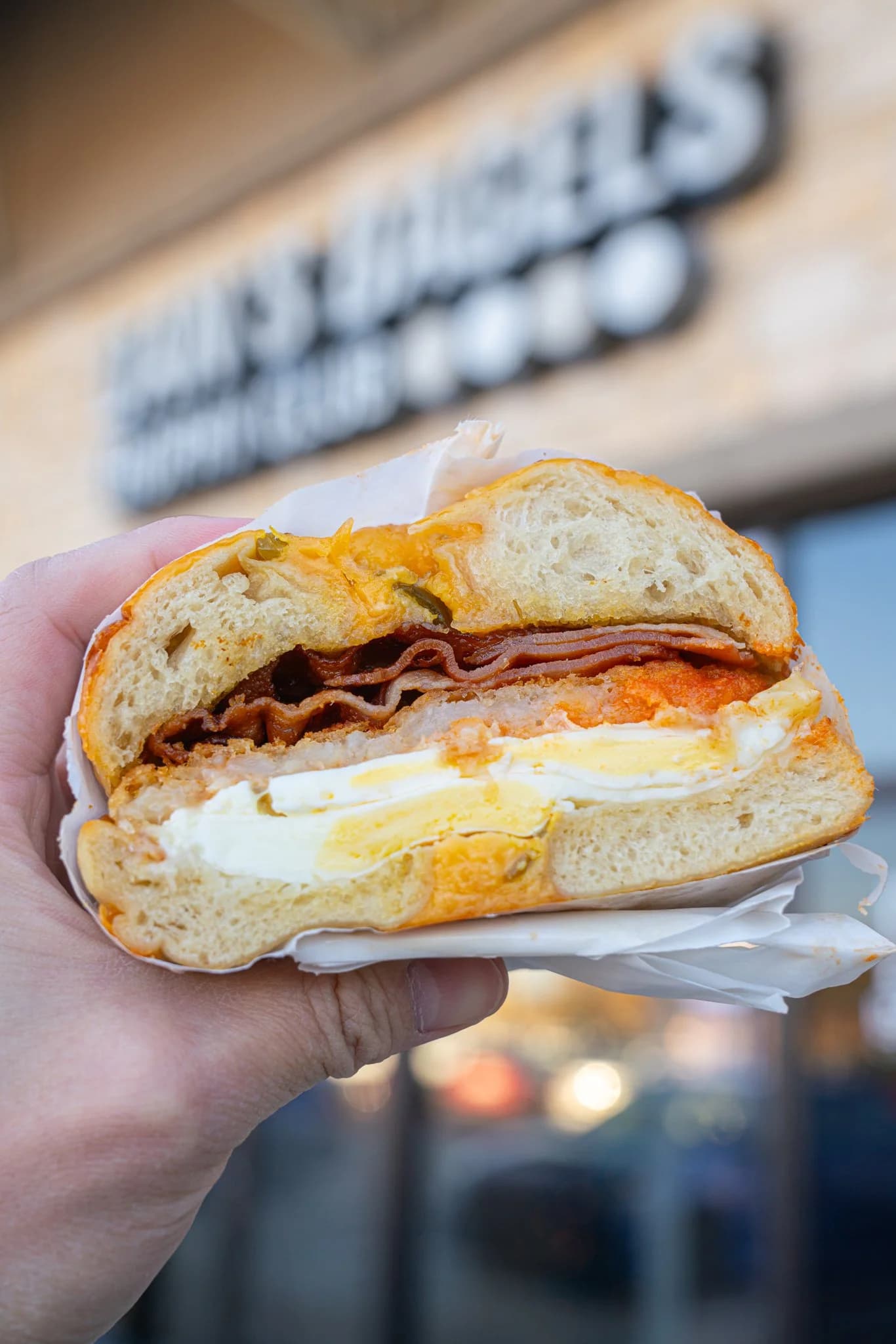
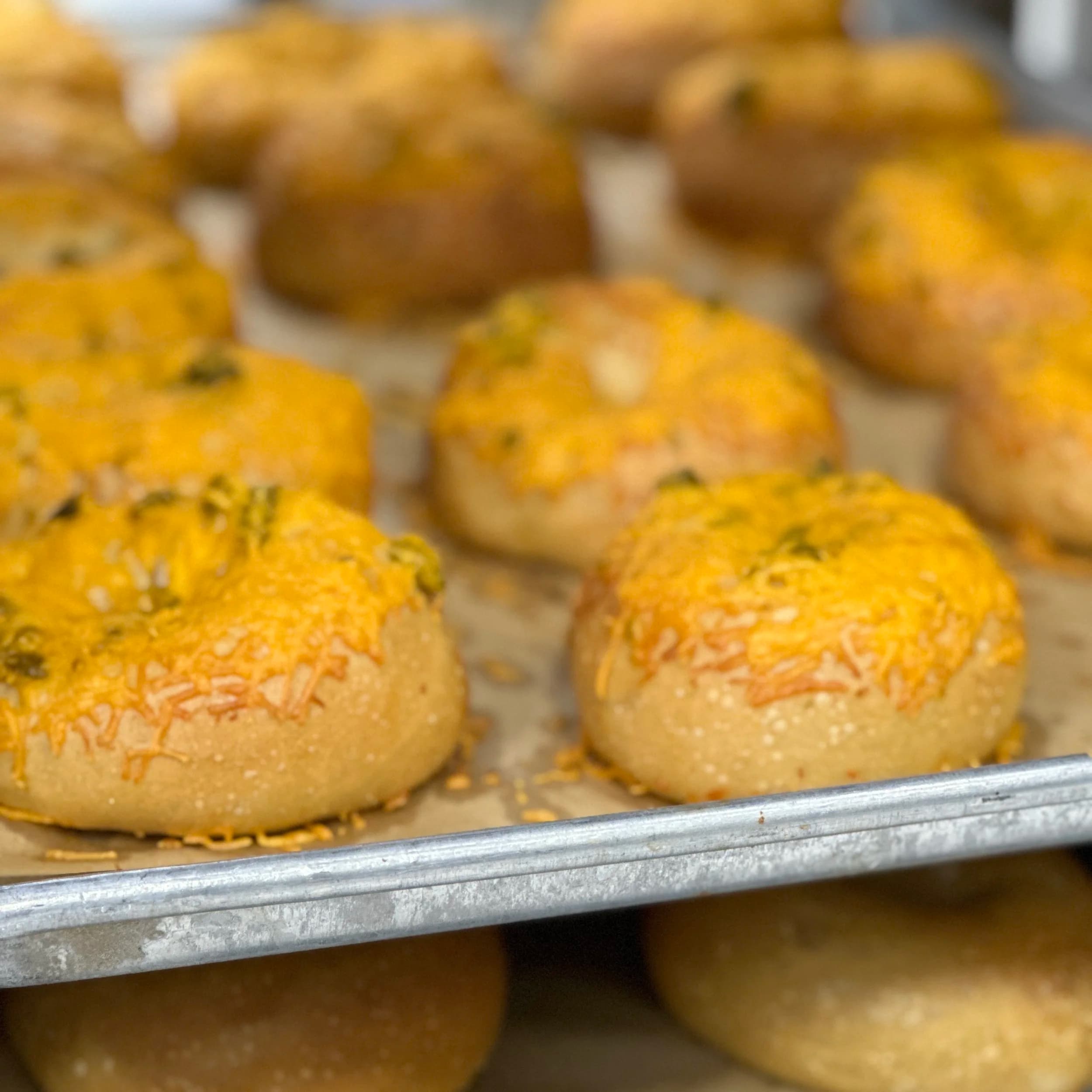
Dan’s Bagels operates on what we call the sellout model. We bake a calculated quantity each morning based on historical sales data, day-of-week patterns, seasonal adjustments, and local event calendars. The goal is to sell out by close, and our experienced locations hit that target consistently. When we close the doors at 1 PM, the cases are empty or nearly empty.
Your inventory is zero at close. That’s not a goal — it’s the model.
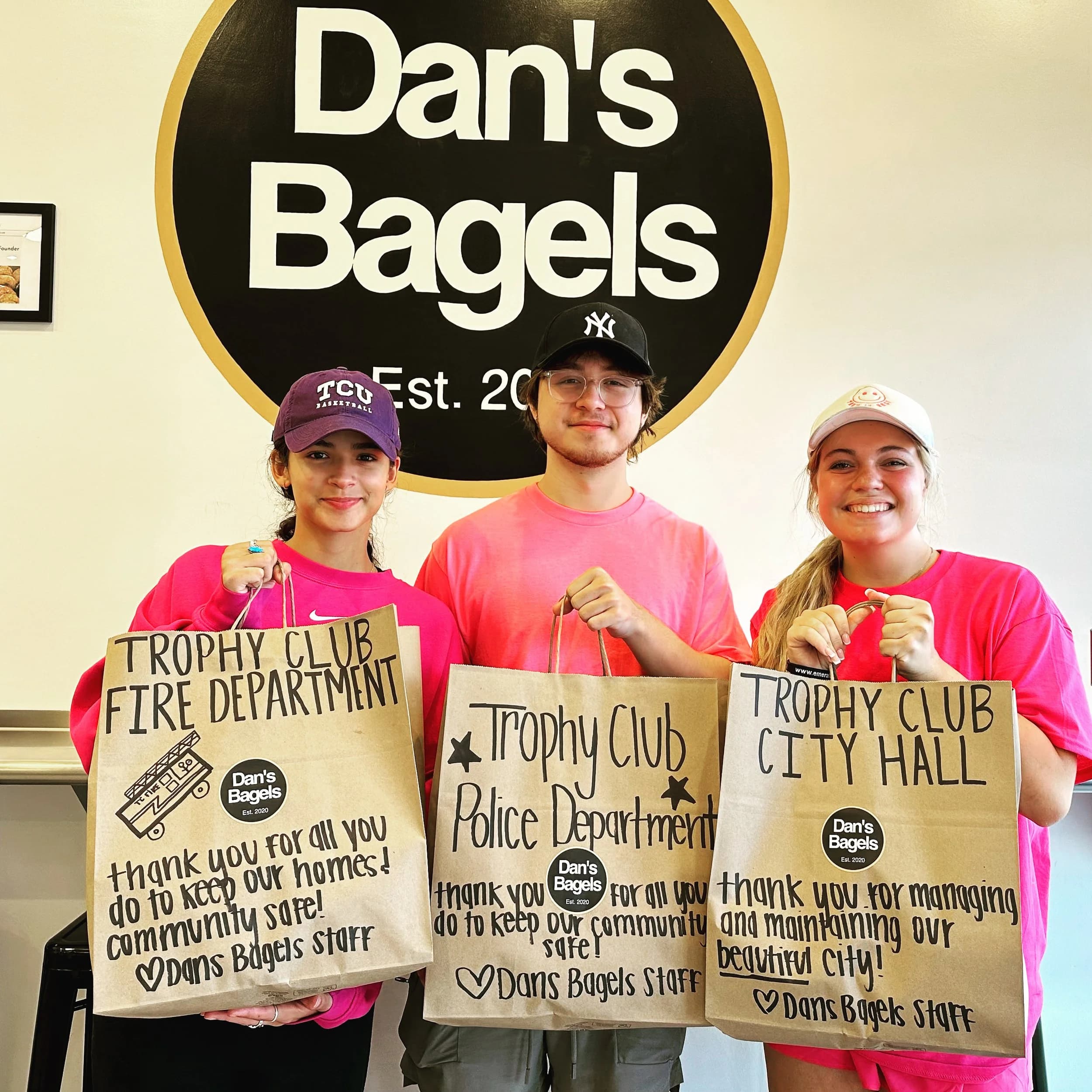
What minimal product remains at the end of the day is donated to local food banks and community organizations. Food waste at our locations is near zero. That’s good for margins, good for sustainability, and good for the community.
Premium Morning Pricing
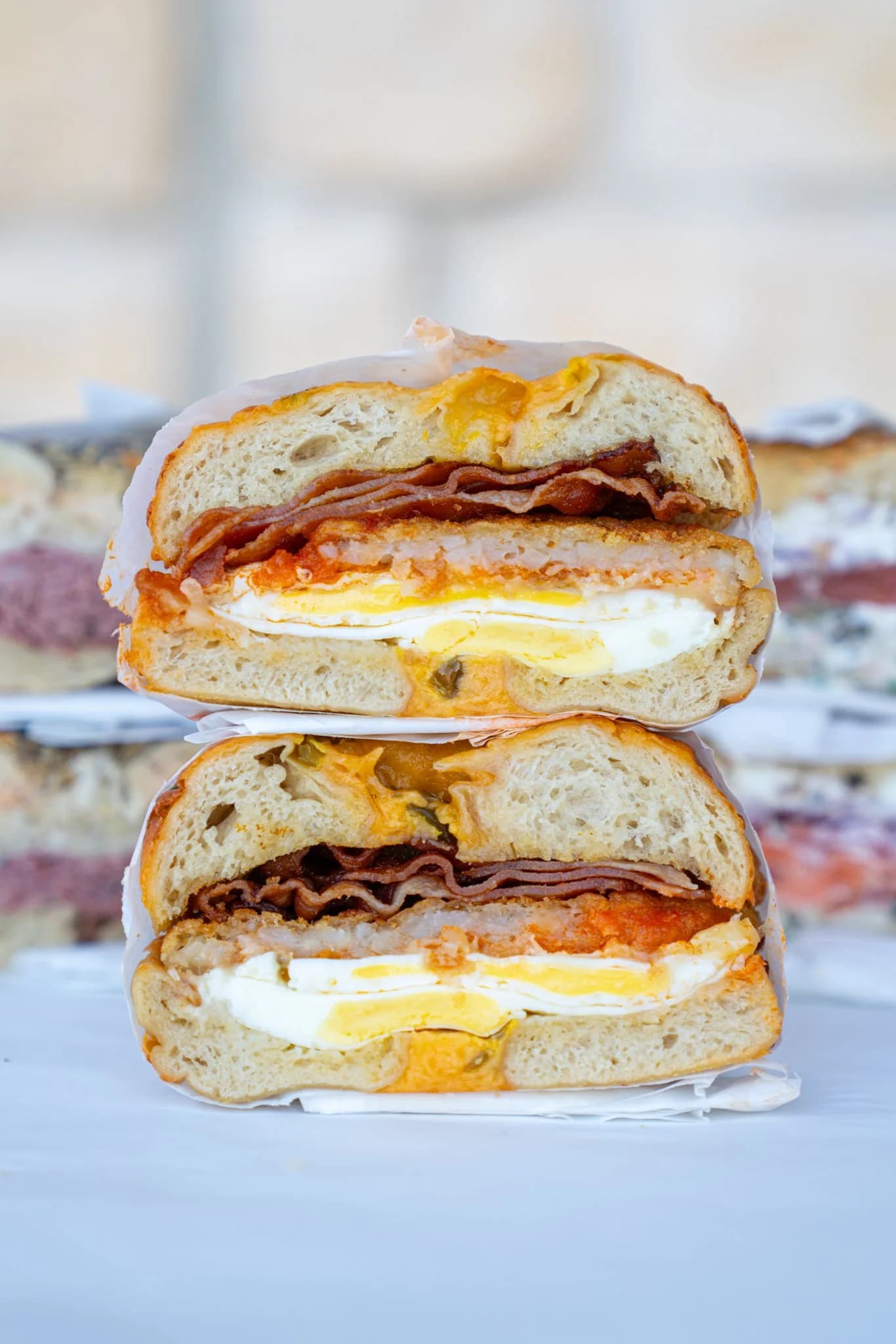
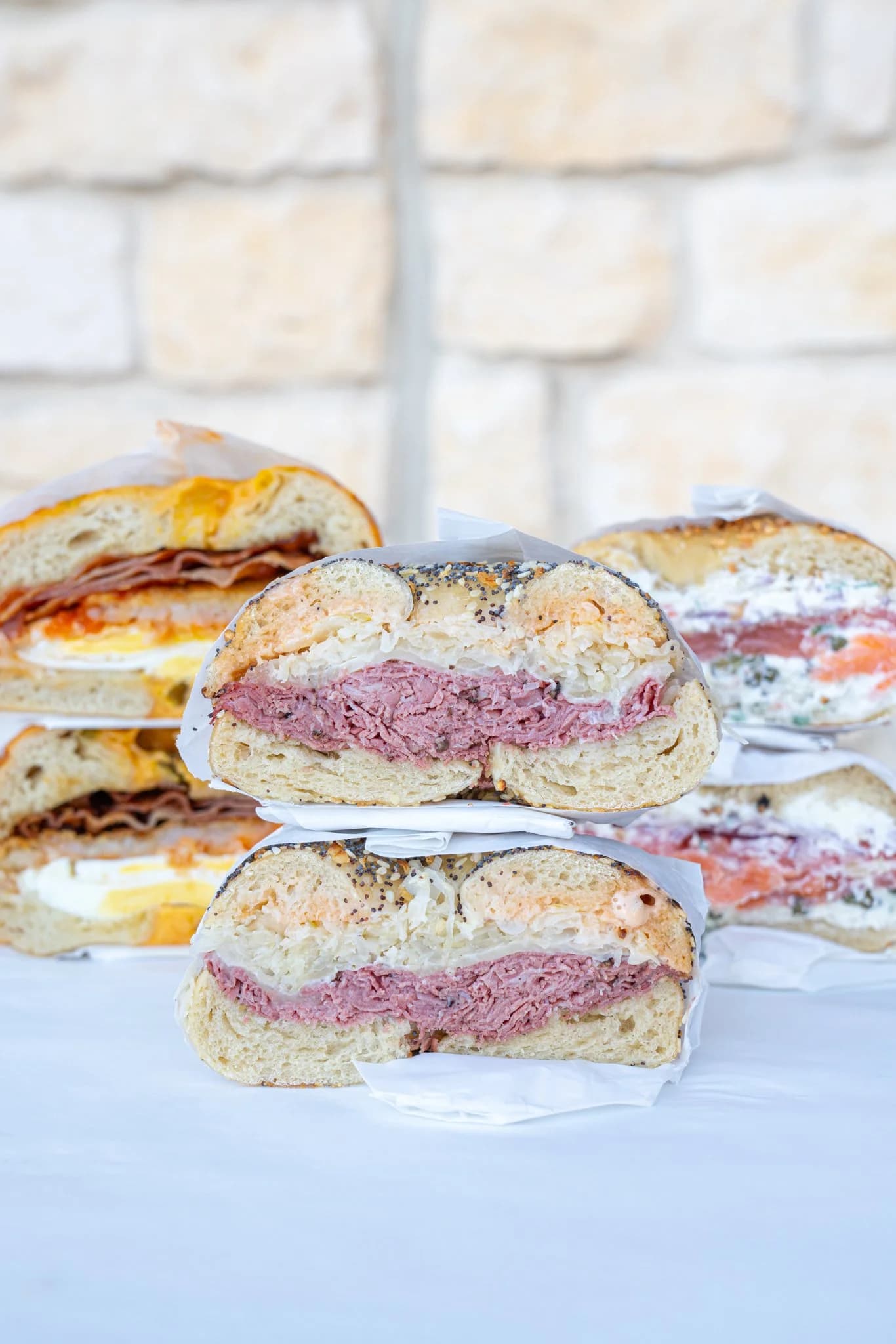
Breakfast commands premium pricing that many people don’t think about. A fresh, artisan bagel with house-made cream cheese is a premium product that customers are willing to pay for — especially in the morning, when quality and speed both matter. Our average ticket is competitive with lunch concepts but with lower input costs, simpler execution, and a tighter operating window.
Morning customers are also creatures of habit. Once someone finds a bagel shop they love, they come back weekly — often more. Our repeat customer rate is exceptionally high. These aren’t one-time visitors; they’re regulars who build a relationship with the shop, the staff, and the product. That recurring revenue base provides stability and predictability that many restaurant models envy.
The Lifestyle Math
Let’s put it all together. A Dan’s Bagels franchisee wakes up early — that’s real. Four or five AM is the start of the day. But by 2 or 3 PM, the work is done. Fifty weeks a year, the afternoon and evening are yours. Compare that to a dinner-service restaurant where you’re routinely home at 11 PM, five or six days a week. Over the course of a year, our franchisees reclaim thousands of hours of personal time compared to a traditional restaurant operator.
I’m not going to pretend that waking up at 4 AM is easy. It’s not. It takes adjustment, discipline, and an early bedtime. But every single one of our franchise partners will tell you the same thing: they would never go back. The morning-hours model doesn’t just work financially — it works personally. It lets you own a food business without the food business owning you.
“Your evenings belong to you. Your weekends are manageable. Your inventory is zero at close. That’s not a dream — it’s our operating model.”
If you’ve dreamed about owning a restaurant but dreaded the lifestyle, we’d love to show you what a morning-only model looks like in practice. Our franchise partners build thriving businesses and still make it home in time to coach Little League.
Learn more about Dan’s Bagels franchise opportunities and what ownership looks like.
Explore Franchise Opportunities