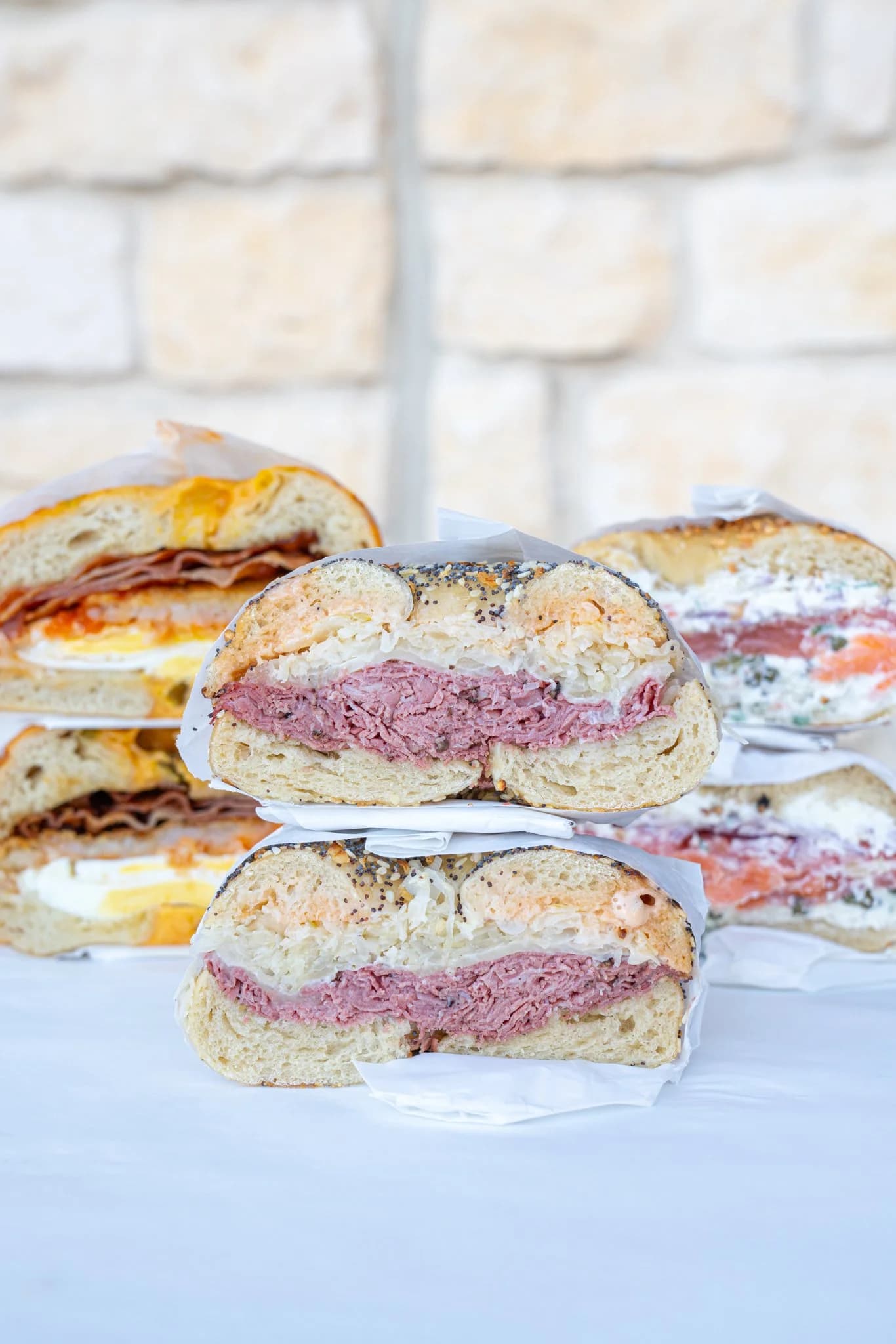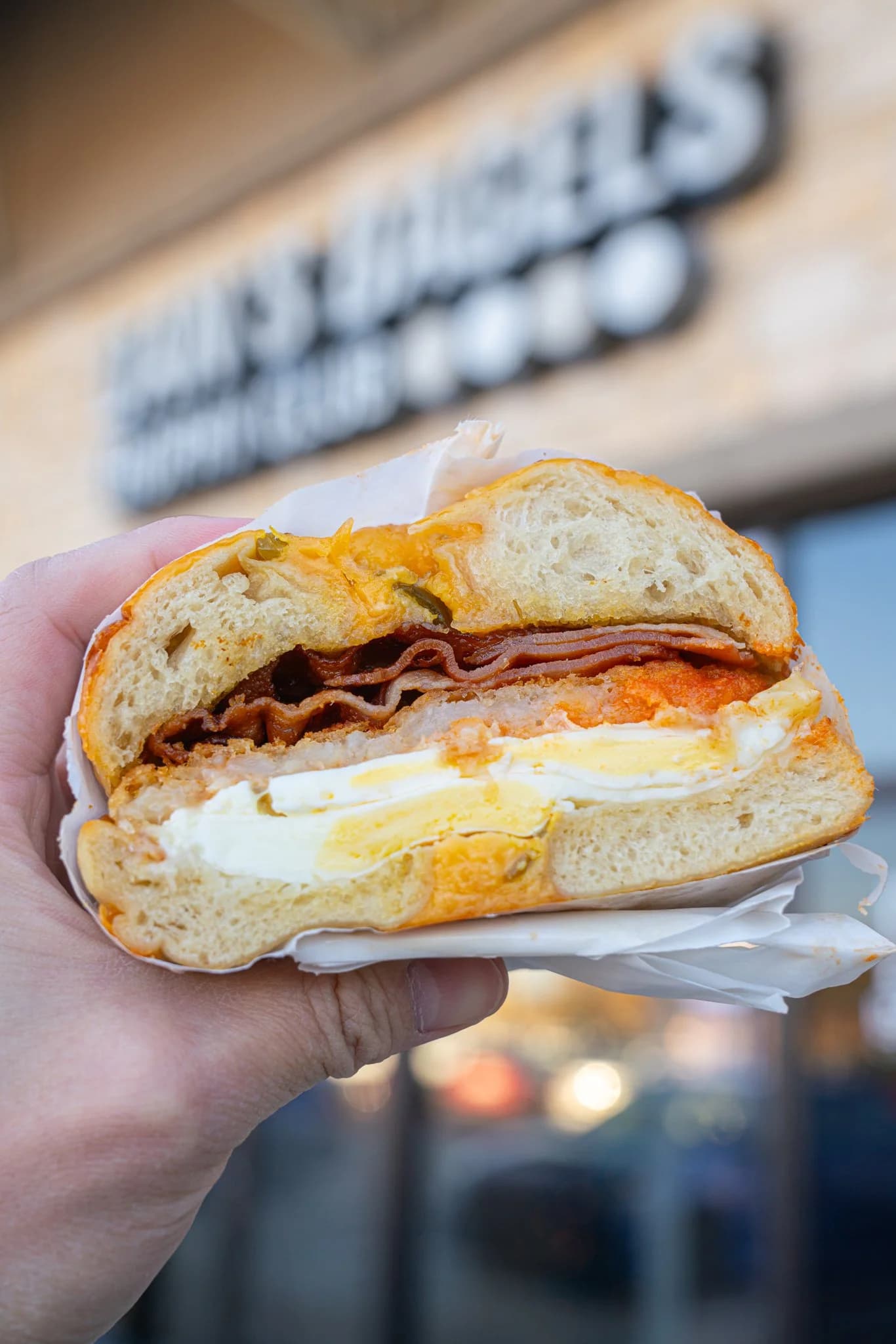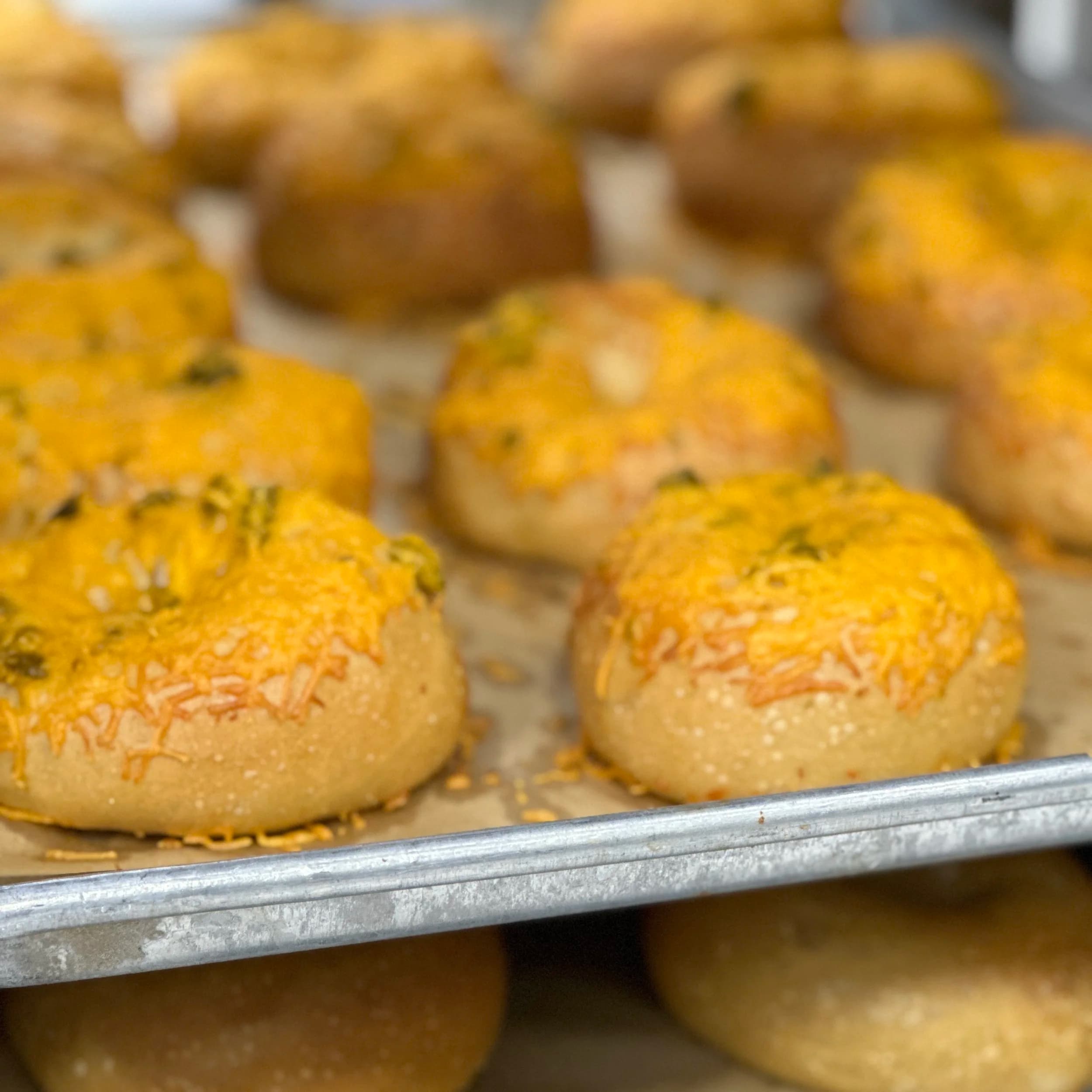
There's a moment in every story where everything changes. For Dan's Bagels, that moment happened on a November morning in 2020, and it lasted exactly seven minutes.
But to understand what those seven minutes meant, you have to understand what came before them.
The Setup: A Kitchen, a Pandemic, and a Question
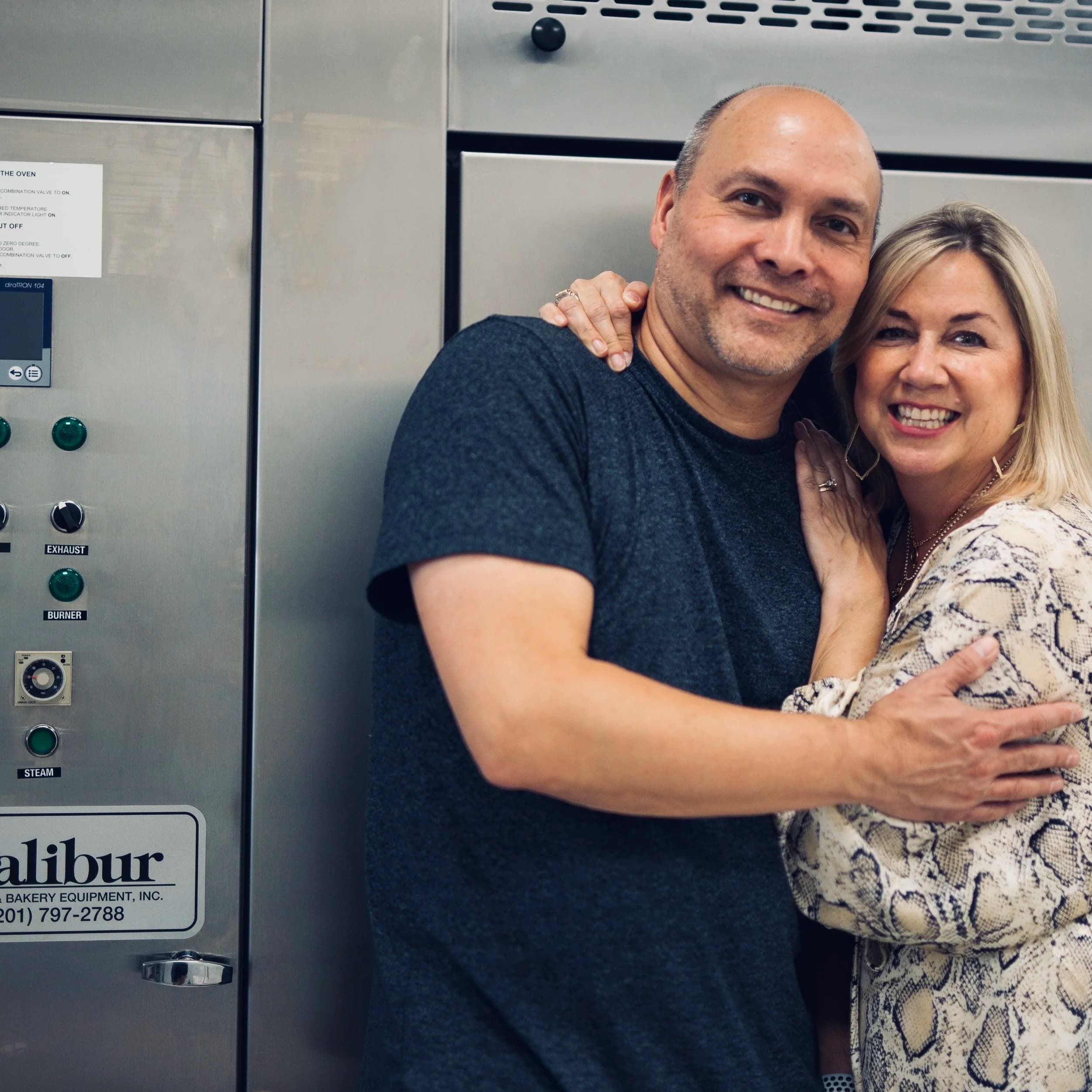
Like a lot of people in 2020, I found myself at home with time I'd never had before. Jen and I had moved to Texas from the East Coast a few years earlier, and we'd been suffering through what I can only describe as a bagel drought. Not a shortage of round bread products — Texas had plenty of those — but a genuine absence of real, kettle-boiled, chewy-on-the-inside, crackling-on-the-outside, New York-caliber bagels.
So I started making them myself. Not casually. Obsessively. I read every book on bread science I could find. I tracked down a retired bagel maker in Brooklyn who spent hours on the phone teaching me his technique. I ordered high-gluten flour in fifty-pound bags. I built a sourdough starter from scratch. I kept a journal of every batch — water temperature, fermentation time, boil duration, oven temperature — adjusting one variable at a time until the bagels in my kitchen tasted like the bagels I remembered from home.
I gave them to neighbors. Then neighbors told their friends. Then people I'd never met started texting me asking if they could buy a dozen. Jen started handling logistics — she'd print labels, organize pickup times, manage the growing list of regulars. We were running a cottage bakery out of our kitchen, and every week the list got longer.
The Day Itself
By late 2020, demand had outgrown our kitchen. We decided to do something that felt slightly reckless at the time: open online preorders for a single large batch. A proper production run. We'd bake through the night, and people could pick up the next morning.
We posted the link on a Saturday evening. The plan was to cap it at 1,000 bagels — which, at the time, felt impossibly ambitious. A thousand bagels is a lot of bagels when you're making them by hand in a home kitchen. Jen had spreadsheets for the flour alone.
The link went live at 8:00 PM. By 8:02, we had 200 orders. By 8:04, 500. My phone was buzzing so fast it was vibrating off the counter. Jen was refreshing the order page, reading numbers out loud. At 8:07, the last bagel was spoken for.
One thousand bagels. Seven minutes. Sold out.
I remember looking at Jen across the kitchen table, both of us holding our phones, surrounded by the detritus of a baking operation that had gradually consumed every surface in our home. Neither of us said anything for a long moment. Then she said, very calmly: "I think this might be a real thing."
The Night That Followed
We baked through the night. All of it. A thousand bagels, mixed and shaped and boiled and baked in a residential kitchen with two home ovens. I started at 10 PM and the last batch came out at 5:30 AM. Jen organized the orders, labeled bags, set up the pickup station in our garage. Our kids slept through most of it — or pretended to.
The next morning, a line of cars stretched down our street. People we'd never met showed up to pick up bagels from our garage. Some had driven forty-five minutes. A woman from Plano told me she hadn't had a real bagel since she left New Jersey in 2003. A man brought his 80-year-old mother, who took one bite, closed her eyes, and said, "Now that's a bagel."
I've been baking my whole adult life, and I've never experienced anything like that morning. The energy. The gratitude. The sense that what we'd made wasn't just food — it was a connection to something people had been missing.
What It Meant
In the startup world, they call it product-market fit — the moment you discover that what you're making is exactly what people want. But that term feels too clinical for what happened. What we experienced was proof that flavor matters. That people can tell the difference between real and fake, between made-with-care and made-on-a-schedule. That a bagel made with a 48-hour sourdough fermentation and a proper kettle-boil is so fundamentally different from a steamed bread ring that people will line up in their cars on a Sunday morning to get one.
We didn't have a business plan. We didn't have investors. We didn't have a commercial kitchen. What we had was a product that sold itself — and a very clear signal that this needed to be more than a side project.
From Garage to Grand Opening
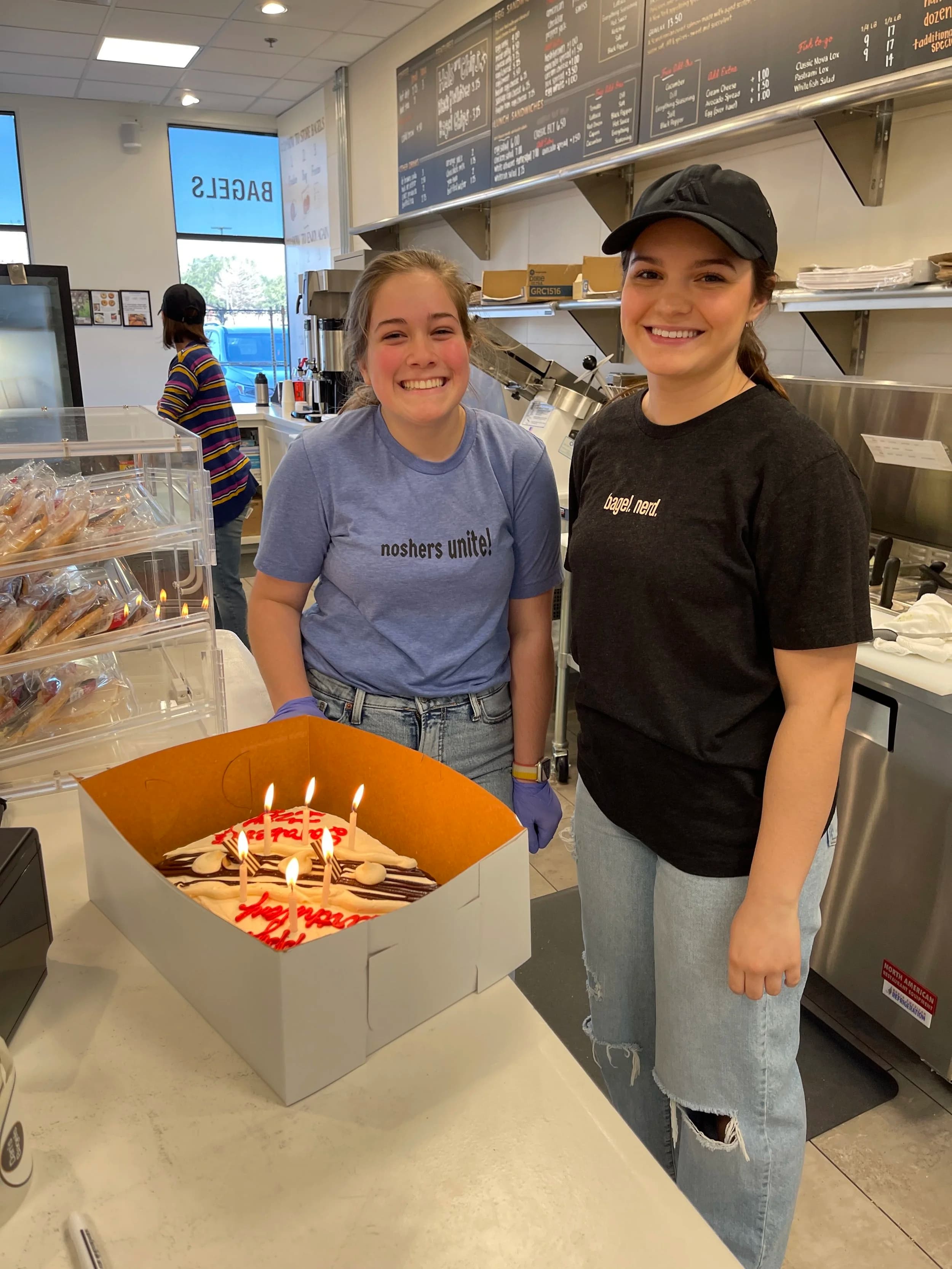
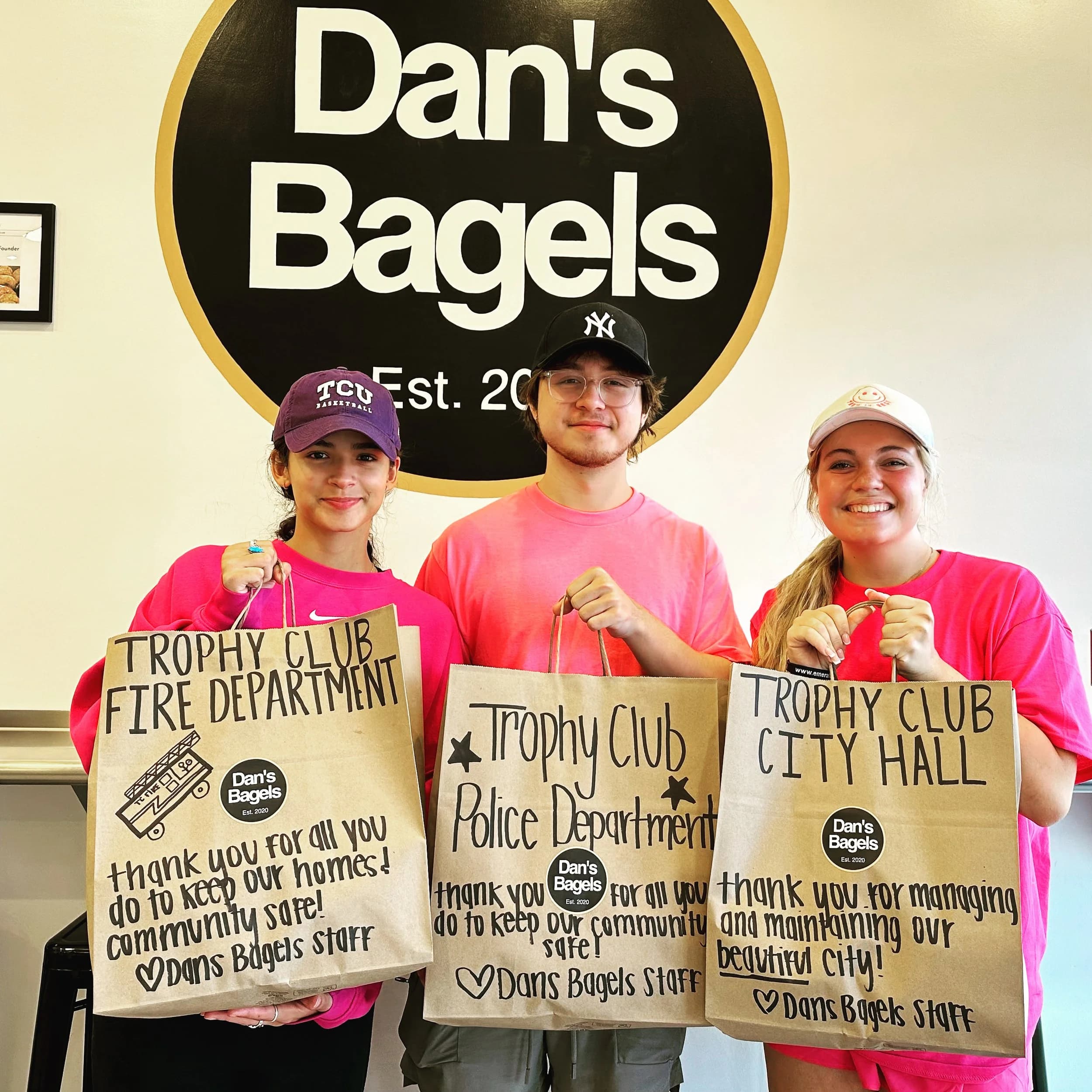
The months that followed were a blur of health department certifications, lease negotiations, equipment sourcing, and more late-night baking. We found a space in Trophy Club. We built it out ourselves — Jen designed the layout, I installed the ovens, friends helped paint the walls. We hired our first two employees, both of whom still work with us today.
On August 3, 2021, we opened the doors of the first Dan's Bagels location. There was a line before dawn. Some of the people in that line were the same people who'd driven to our garage ten months earlier. That felt like something. It still does.
Looking Back
I think about that night a lot — the thousand-bagel night. Not because it was the beginning of a business, although it was. I think about it because of what it proved. It proved that people are hungry for things made with intention. That in a world of shortcuts and scale, there's still a market — a massive, enthusiastic, drive-45-minutes-on-a-Sunday market — for the real thing.
“We didn't set out to build a business. We set out to make a bagel worth eating. The business happened because the bagel was worth it.”
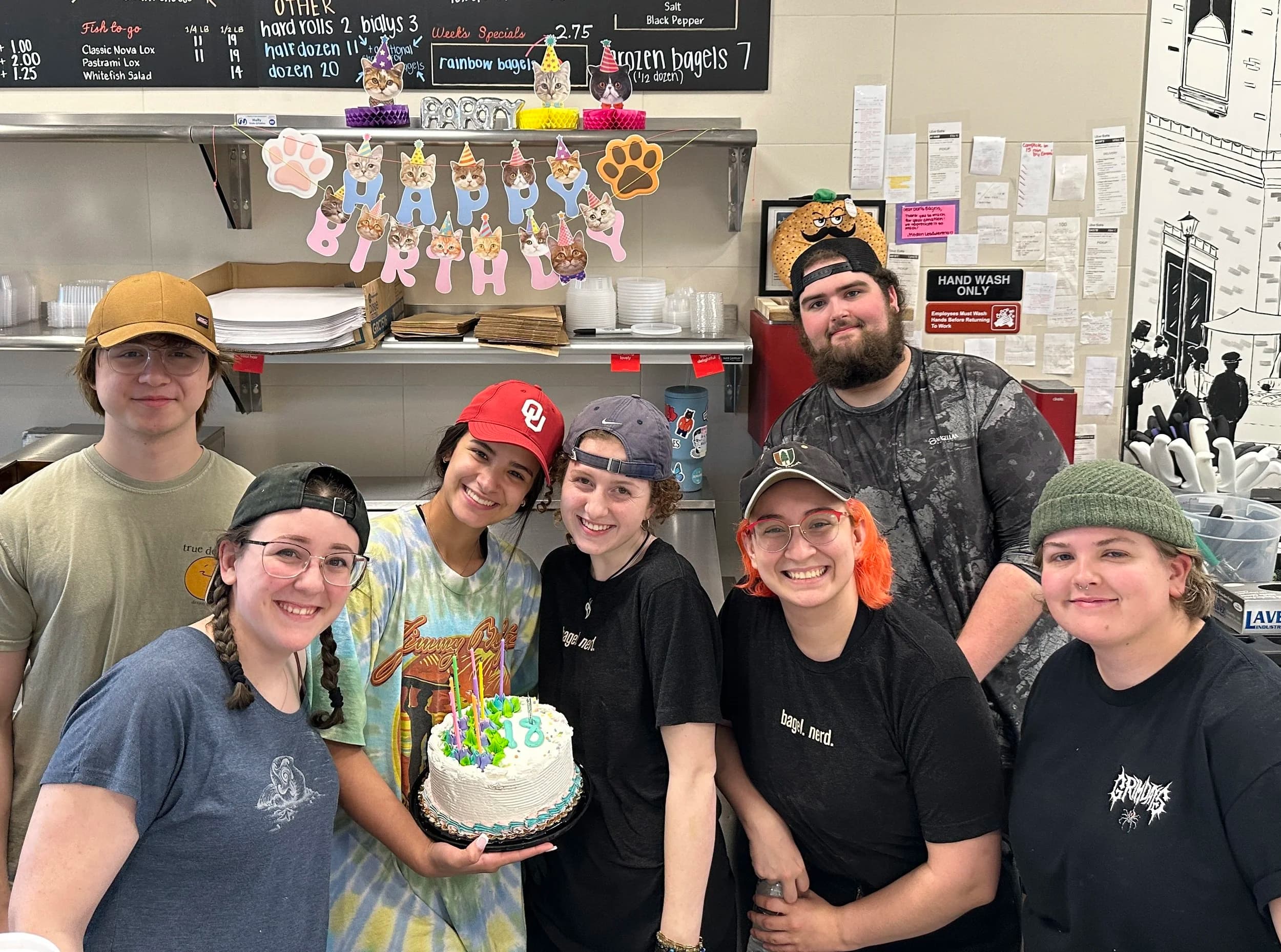
Today we have four locations across DFW, a franchise program, and a team of over fifty people who show up before dawn every day to carry on what started in that kitchen. But the bagels are the same. The process is the same. The starter is the same one I built in 2020, fed every day, carried to every new location like a family heirloom.
Because that's what it is.
Read the full story of how Dan's Bagels grew from a kitchen experiment into a Texas institution.
Our Story